Analysis
What makes a pet game relaxing? Five patterns from 2025–2026
Pastel colours and a soft soundtrack are not what make a game relaxing. Plenty of games have both and still leave you tense. After two years of reviewing this category, the difference comes down to five structural decisions.
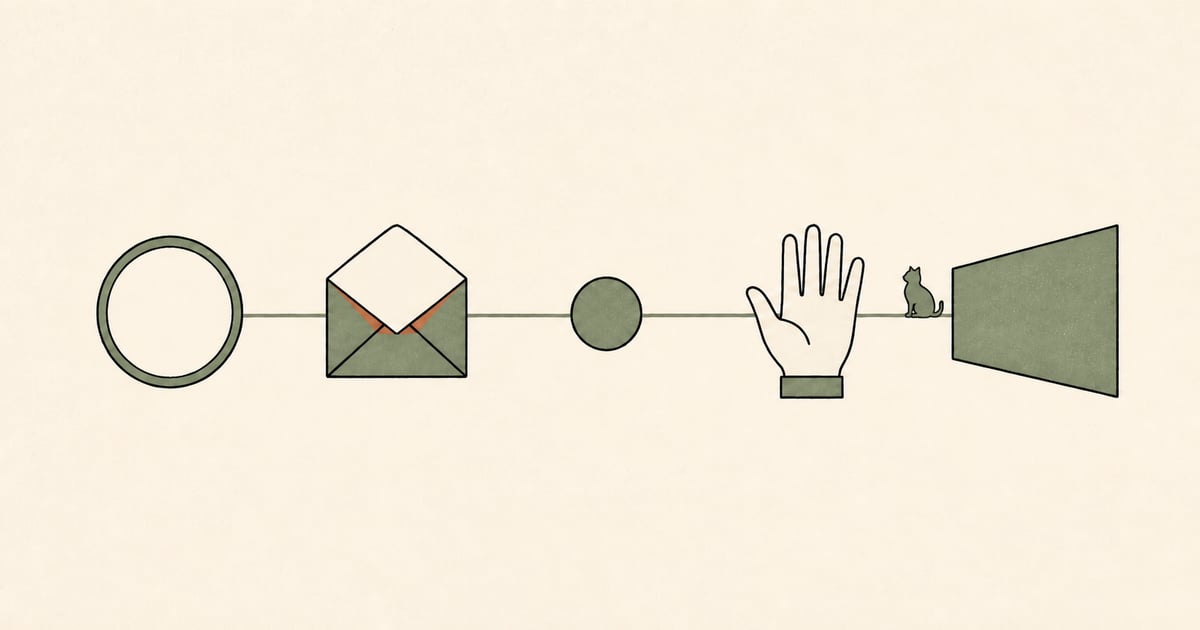
Cozy is not a look. It is a set of design choices about what the game does when you are not there, and what it does the moment you return. Here is what actually separates the calm ones.
1. Nothing decays without you
The single strongest predictor. If leaving for four days costs you something — wilted plants, unhappy animals, a lost streak — the game has installed a low-grade obligation in your week, however soft the artwork.
The relaxing games in this category are almost all built on accumulation instead: things happen while you are gone and are waiting for you, rather than things degrade while you are gone. Neko Atsume 2's yard, Cats Hotel's guest turnover and Cats & Soup's soup vats all follow this rule. Games with pet-hunger decay do not, and it shows in how people talk about them.
2. The reward for returning is information, not a number
Coming back to "+48,300 coins" is neutral. Coming back to find out who visited, what they did, and what photograph you got is a different feeling entirely.
This is why photo albums, guest logs and visit histories keep reappearing in the genre's best games. The reward is narrative, and narrative does not inflate.
3. Sessions can end cleanly
A relaxing game has an obvious stopping point: you collected, you placed one item, you are done. A stressful game keeps a thread dangling — an energy bar filling in three minutes, an event ending in twenty, a wheel spin waiting.
Test it yourself: open the game, do the obvious things, and see whether the app gives you a moment where quitting feels finished. If it never does, that is design, not you.
4. The pressure moment is honest
Every free-to-play game eventually asks for something. The question is whether it asks plainly or ambushes you.
An opt-in ad button on a screen you chose to open is honest. A doubling prompt fired the instant your earnings appear is engineered. Both are legal, common and effective; only one leaves the player feeling in control. This is the axis on which the games in this genre most differ, far more than art style.
5. Content is wide, not deep
Cozy players do not want a difficulty curve. They want more room — more items, more animals, more spaces — at roughly constant effort. Games that stay relaxing tend to expand sideways: new areas, new residents, new decor, no new challenge.
Games that add a challenge layer to keep engagement numbers up usually lose the audience they built, and the reviews record the exact update where it happened.
Applying it
Next time a cozy game is recommended to you, check five things: does anything decay, is returning informative, can a session end, is the ask honest, does content grow sideways. Four out of five is a good game. Two out of five is a tycoon in a cardigan.